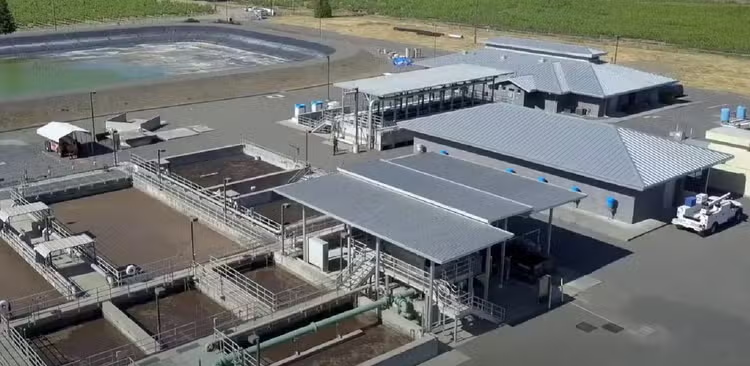
Membrane Bioreactor (MBR)
Purifying wastewater to produce the highest effluent water quality.
Delivering greater effluent and productivity, while reducing lifecycle cost with MBR technology
For more than four decades, the MemCor™ brand has been a leader in the membrane industry. Since 1995, we have dedicated a team strictly to Membrane Bioreactor (MBR). Today, our technology operates in more than 300 municipal and industrial plants across the globe.
Proven to deliver high-quality effluent and productivity while reducing the lifecycle cost, MBR technology is preferred by the market. Our technology uses a fully automated process that provides liquid/solid separation by combining biological waste oxidation and membrane separation. In turn, this eliminates the need for any secondary clarification or tertiary filtration.
The MemCor™ membrane bioreactor system with MemPulse™ MBR modules delivers greater stability of the membrane environment, operational flexibility, and reduced maintenance requirements, resulting in significant cost savings. The system is successfully operating in applications ranging from municipal wastewater plants to the most difficult industrial applications such as oil refineries and landfill leachate.
Discover more about MemCor™ membrane bioreactor (MBR) systems.
Achieving Long-Term Success with MBR Technology
MemCor™ MBR Systems Discover more about MemCor™ (MBR) systems with the industry-leading MemPulse™ MBR modules.DuPont Webinar Program Join our online learning and thought leadership program used by over 30,000 water industry professionals.FAQs Get quick answers to technical questions in our resource center.Portfolio features
MemCor™ Membrane Bioreactor Systems: Efficient, Effective, Established
MemCor™ MBR systems have established a reputation for high efficiency, reliability, and reduced operational costs. Designed with operators in mind, MemCor™ MBR systems combine unique large bubble pulsed aeration with MemPulse™ MBR modules to provide excellent effluent quality at lower aeration energy compared to other MBR systems. Based on modules with 100% PVDF hollow fibers with 0.4 m pore size, the system delivers stable performance, operational flexibility, and low OpEx—resulting in significant cost savings throughout the life of the product. What is MBR? Applications Advantages of MBR Product configurations
Membrane Bioreactor (MBR) is an advanced wastewater treatment technology used to extract liquid from a suspended growth activated sludge system
The MemCor™ MBR systems replaces the secondary clarifiers typically used in conventional waste treatment methods for solid/liquid separation. Unlike secondary clarifiers, however, the treated water quality is not dependent on the mixed liquor suspended solids concentration or the settling characteristics of those solids.
In fact, MemCor™ MBR systems can operate at much higher biological mixed liquor suspended solids (MLSS) concentrations than conventional activated sludge systems. Typically from 8,000 mg/l to 12,000 mg/l or 3 to 6 times the solids concentration in conventional systems. In addition, the retention of all biomass allows greater control of Solids Retention Time (SRT).
High-quality treated water is common to MBR systems, where longer SRT and greater MLSS concentration promotes oxidation, complete nitrification, and reduced biosolids production. Filtrate has low Biological Oxygen Demand (BOD) (< 5 mg/l), is virtually free of suspended solids, and can have very low concentrations of nutrient nitrogen and phosphorus.
MBR systems are for the treatment or reuse of a variety of wastewaters
Today, most MBR applications are for the treatment or reuse of municipal wastewaters. MBR systems may be applied to a variety of wastewaters from the cosmetics, pharmaceuticals, textile, food and beverage, pulp and paper, and chemical industries, as well as blackwater, greywater, and landfill leachate.
MBR systems combine a biological process and a low-pressure membrane filtration process, so expert knowledge in both areas is essential. The biological portion of an MBR is largely similar to activated sludge process commonly used in treating municipal and industrial wastewaters. With the design primarily for removing dissolved and suspended organic matter from the wastewater, the method requires that an assortment of microorganisms be present in the same reactor.
A major consideration in selecting membranes for MBRs is the need to minimize fouling. This is dependent on feedwater quality and aspects of the system design such as: membrane material, module dimensions, flux, and conditions at the membrane interface. Advanced fouling control today typically uses random large bubble air scouring combined with mixed liquor pumping to provide a low energy, low fouling MBR system.
Proven durability and low maintenance with MBR
Aeration Like No Other
- The unique efficiency of two-phase plug flow MemPulse™ membrane cleaning.
- No need for daily cyclic peak operation.
- Doesn’t waste energy – 1: 1 focused bubble.
- Low chemical use.
In Tank: Membranes Where They Belong
- Keeps your team productive with no need to adjust slack.
- Fully automated membrane cleaning.
- Minimize operator exposure to bacteria & pathogens.
Filtration Strong Durability
- Strength where you need it: 100% UF membrane.
- Can withstand force in all directions.
- Self-healing smaller ID membranes.
- Reliable effluent quality with proven pathogen rejection for > 10 yrs.
- Enabling re-use – Tier 3 capable.
Adaptable and Flexible
- State-of-the art modular and configurable rack design.
- Can fit into any tank geometry.
- Fits into other membrane system cassette and rack layouts.
- Compact MBR footprint: approximately 30% smaller.
MemPulse™ MBR systems deliver greater filtration performance with reduced aeration flow
Single Rack: Classic flexibility sabing you on tanks and more
- Better cost control through system design for small systems or wide tanks (more than 14 modules/rack).
- Suitable for Open tank concept & Mobile Units.
- Easy maintenance & replacement.
Dual Rack: Optimized savings on tanks and more
- Less manifolds/pipes to main header (lower cost) vs. Single Rack/Small Cassettes.
- Reduce cost of man power & installation engineering (tank, loading, etc.).
- Suitable for open tank concept & mobile units.
- Easy maintenance & replacement.
Hanging Dual Rack: Best of both worlds using MemPulse™ racks with casette-based tank layouts
- Less manifolds/pipes to main header (lower cost) vs. Single Rack/Small Cassettes.
- Suitable for conventional tank designs that uses covers, grating, etc.).
- Easy maintenance & replacement.
Adaptive Module Series (AM) and for Cassette System Retrofit: Maximize your production and reduce energy
- Differentiated solutions for upgrades and retrofits.
- Reduce your OPEX in terms of energy & chemicals.
- Maximize your system availability with less fouling and downtime.
- Easy maintenance & replacement.
-
What is MBR?+
Membrane Bioreactor (MBR) is an advanced wastewater treatment technology used to extract liquid from a suspended growth activated sludge system
The MemCor™ MBR systems replaces the secondary clarifiers typically used in conventional waste treatment methods for solid/liquid separation. Unlike secondary clarifiers, however, the treated water quality is not dependent on the mixed liquor suspended solids concentration or the settling characteristics of those solids.
In fact, MemCor™ MBR systems can operate at much higher biological mixed liquor suspended solids (MLSS) concentrations than conventional activated sludge systems. Typically from 8,000 mg/l to 12,000 mg/l or 3 to 6 times the solids concentration in conventional systems. In addition, the retention of all biomass allows greater control of Solids Retention Time (SRT).
High-quality treated water is common to MBR systems, where longer SRT and greater MLSS concentration promotes oxidation, complete nitrification, and reduced biosolids production. Filtrate has low Biological Oxygen Demand (BOD) (< 5 mg/l), is virtually free of suspended solids, and can have very low concentrations of nutrient nitrogen and phosphorus.
-
Applications+
MBR systems are for the treatment or reuse of a variety of wastewaters
Today, most MBR applications are for the treatment or reuse of municipal wastewaters. MBR systems may be applied to a variety of wastewaters from the cosmetics, pharmaceuticals, textile, food and beverage, pulp and paper, and chemical industries, as well as blackwater, greywater, and landfill leachate.
MBR systems combine a biological process and a low-pressure membrane filtration process, so expert knowledge in both areas is essential. The biological portion of an MBR is largely similar to activated sludge process commonly used in treating municipal and industrial wastewaters. With the design primarily for removing dissolved and suspended organic matter from the wastewater, the method requires that an assortment of microorganisms be present in the same reactor.
A major consideration in selecting membranes for MBRs is the need to minimize fouling. This is dependent on feedwater quality and aspects of the system design such as: membrane material, module dimensions, flux, and conditions at the membrane interface. Advanced fouling control today typically uses random large bubble air scouring combined with mixed liquor pumping to provide a low energy, low fouling MBR system.
-
Advantages of MBR+
Proven durability and low maintenance with MBR
Aeration Like No Other
- The unique efficiency of two-phase plug flow MemPulse™ membrane cleaning.
- No need for daily cyclic peak operation.
- Doesn’t waste energy – 1: 1 focused bubble.
- Low chemical use.
In Tank: Membranes Where They Belong
- Keeps your team productive with no need to adjust slack.
- Fully automated membrane cleaning.
- Minimize operator exposure to bacteria & pathogens.
Filtration Strong Durability
- Strength where you need it: 100% UF membrane.
- Can withstand force in all directions.
- Self-healing smaller ID membranes.
- Reliable effluent quality with proven pathogen rejection for > 10 yrs.
- Enabling re-use – Tier 3 capable.
Adaptable and Flexible
- State-of-the art modular and configurable rack design.
- Can fit into any tank geometry.
- Fits into other membrane system cassette and rack layouts.
- Compact MBR footprint: approximately 30% smaller.
-
Product configurations+
MemPulse™ MBR systems deliver greater filtration performance with reduced aeration flow
Single Rack: Classic flexibility sabing you on tanks and more
- Better cost control through system design for small systems or wide tanks (more than 14 modules/rack).
- Suitable for Open tank concept & Mobile Units.
- Easy maintenance & replacement.
Dual Rack: Optimized savings on tanks and more
- Less manifolds/pipes to main header (lower cost) vs. Single Rack/Small Cassettes.
- Reduce cost of man power & installation engineering (tank, loading, etc.).
- Suitable for open tank concept & mobile units.
- Easy maintenance & replacement.
Hanging Dual Rack: Best of both worlds using MemPulse™ racks with casette-based tank layouts
- Less manifolds/pipes to main header (lower cost) vs. Single Rack/Small Cassettes.
- Suitable for conventional tank designs that uses covers, grating, etc.).
- Easy maintenance & replacement.
Adaptive Module Series (AM) and for Cassette System Retrofit: Maximize your production and reduce energy
- Differentiated solutions for upgrades and retrofits.
- Reduce your OPEX in terms of energy & chemicals.
- Maximize your system availability with less fouling and downtime.
- Easy maintenance & replacement.
Fouling Control
The MemCor™ MBR system is designed to increase reliability, decrease operating and maintenance costs and dramatically reduce energy usage. A continuous air flow is evenly distributed to each aeration device located directly at the base of each MemPulse™ MBR module. The MemPulse™ aeration system randomly pulses to introduce air at the base of the membrane module in the form of large bubbles or slugs that increase in size as they move up the membrane fibers The size and the random nature of the large slugs of air prevent trash and solids build up by pushing debris away from the membrane fibres at the surface.
At the same time, the large aeration pulse creates an airlift flow that draws mixed liquor into the bottom of each membrane module through an airlift tube. The air bubbles then blend with the mixed liquor and rise between the individual membrane fibers. This creates a unique crossflow pattern, providing an even distribution of mixed liquor and a reduction of solids concentration on the membrane surface.
The cross flow combined with random, slug aeration prevents channeling and solids accumulation on the membrane surface resulting in greater system efficiency and reduced air scour. In addition; the up-flow pattern in the tank creates a flotation effect that moves grease, scum and other floatable constituents to the surface for removal.
Adaptable and flexible MemCor™ MBR rack configurations enable our customers to implement MBR solutions with best combination of low energy consumption, infrequent wet maintenance and reliable membrane filtration.
Selected MBR references around the globe
Filters + Filter By: Clear all
Share
Membrane Bioreactor
Find more on MemPulse™ MBR modules
View a list of our industry-leading MBR products.
MemPulse™ MBR modules 
Related industries
Our technologies provide premium solutions for a broad range of industries. Learn more about the industries that depend on membrane bioreactor technology.
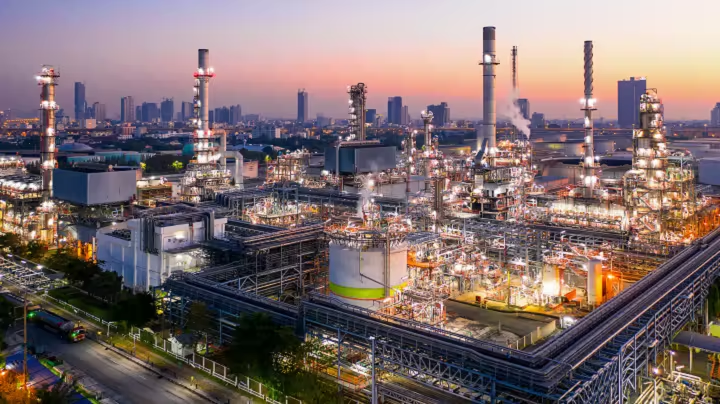
Our technologies and solutions are designed to help you overcome water challenges to produce your desired quantity and quality of industrial utility water.
Read more

We develop best-in-class technologies, accompanied by an advanced product portfolio of solutions, to address your crucial wastewater challenges.
Learn more
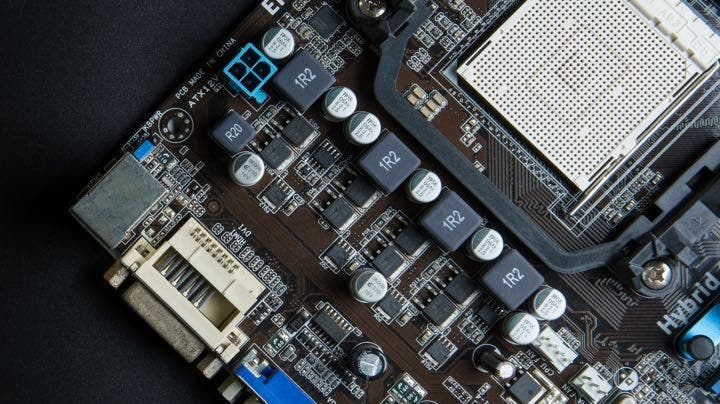
We enable the production of some of today’s most popular technologies by facilitating ultrapure water and effective water reuse.
Learn more
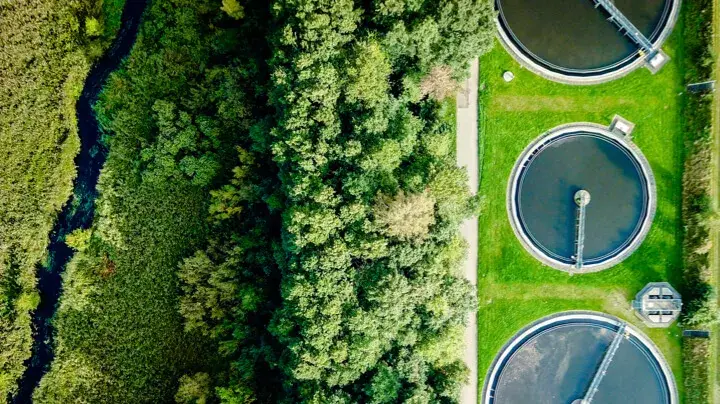
We help ensure a steady flow of clean, safe drinking water into local communities with our water-treatment solutions.
Learn more
We help energy companies improve operational efficiency with specialized water treatment and wastewater reuse.


Related resources
View by: View all resources ✕ ✕ To access secured content from DuPont Please Sign In or Sign Up below Sign In New User ? Sign Up
See what’s possible
Ask us how MemCor™ membrane bioreactor systems can help you purify wastewater to achieve excellent effluent water quality.