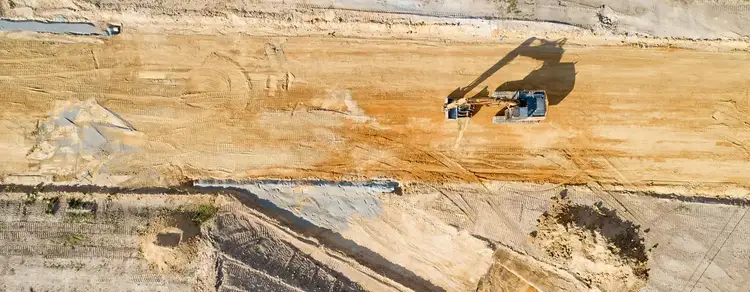
Mining & Hydrometallurgy
FilmTec™ elements and DuPont™ AmberSep™ ion exchange resin technologies for extraction, separation, and purification of base, precious, and energy metals.
Extract more value from base, precious, and energy metals
From increasing cost pressures, to stringent environmental and safety regulations, the mining industry faces numerous challenges impacting profitability. Through the development of metal selective media and our ion exchange resin expertise, DuPont is helping to address these challenges and to support the mining industry in the recovery of valuable metals.
We provide a powerful portfolio of chemistries and solutions to address:
- Primary metals extraction hydrometallurgy.
- Purification and separation.
Hydrometallurgy-Enhanced Extraction: Energy, Base, Precious, and Rare Earth Metals
Learn how our technologies enable efficient and sustainable extractions for the mining industry.
View mining related case studies on recovering valuable raw materials.
View all product data sheets associated with the mining market.
View mining brochures, manuals, product data sheets, FAQs, and more in our self-help center.
Applications for Mining and Hydrometallurgy
Learn how our ion exchange resin technologies allow the extraction and recovery of base, precious, and energy metals. Base Metals Precious Metals Energy Metals
Isolating and purifying base metals
In contrast to precious metals, base metals such as copper, nickel, cobalt, and zinc are prone to oxidation or corrosion. While this reduces their cost, they are still capable of being utilized in a variety of high-value applications, from the fabrication of turbine blades to the formulation of dandruff shampoo.
Our selective ion exchange resins enable the isolation and purification of base metals for a wide range of applications at a lower cost compared to traditional solvent extraction methods.
Copper
Copper is used in a wide variety of applications from alloy production to power transmission lines to micro-electronic devices. Our selective ion exchange resins aid in the capture, recovery, and purification of copper.
Cobalt
Cobalt is mainly used in the production of corrosion-resistant and wear-resistant metal alloys, such as those used in turbine blades and in medical prosthetic devices, and can be recovered through the use of our high-performance chelate resins.
Nickel
Nickel is primarily an alloy metal with its chief use in the nickel steels and other super-alloys. Our chelating resins can be effectively used in the hydrometallurgical production of nickel.
Zinc
Zinc is the fourth most common metal and is commonly used in the galvanizing of steel and to produce brass alloy. Our selective ion exchange processes can be used to successfully separate zinc from other metals.
View more content on base metals in our resource center.
Recovery of gold and platinum group metals
Gold
Gold has been valued for its beauty, malleability and non-corrosive properties for a millennium. The most used process to extract gold is cyanide leaching which involves substrates such as activated carbons.
Our gold selective ion exchange resins are versatile substrates. They improve properties such as selectivity, resistance to poisoning and loading capacity when compared to activated carbon and help you extract gold from the ore effectively.
Platinum Group Metals
Platinum Group Metals (PGM) are rare, chemically resistant metals, valued for their usefulness in applications ranging from organic reaction catalysts, fine jewelry, to microelectronics. PGMs include elements such as platinum, palladium, rhodium, ruthenium, iridium and osmium. PGMs are often co-produced through copper and nickel mining, but also reclaimed by recycling electronic devices and catalytic devices.
View more content on precious metals in our resource center.
Efficient recovery of heavy metals
Uranium
Uranium is very important to our energy needs and is actively mined in many countries around the world. Ion exchange is the preferred method of recovering uranium from pregnant leach solutions and can be used in either acid leach or alkaline leach processes:
Acid Leach
Acid leaching with sulfuric acid is the most widely used leach process for extracting uranium. Our ion exchange resins help the recovery of uranium by first selectively fixing it from the leach solution followed by elution from the resin for further processing.
Sub-Applications: Counter-current Ion Exchange (CCIX) / National Institute for Metallurgy Continous Ion Exchange (NIMCIX) / Fixed Beds / Porter / U Shape/ Higgings / RIP
Alkaline Leach
Alkaline leaching is becoming more common, particularly in the United States, because of its lesser environmental impact. Our ion exchange resins are effective methods of extracting uranium from alkaline leach solutions and economically concentrating uranium from large volumes of pregnant leach solutions.
View more content on energy metals in our resource center.
-
Base Metals+
Isolating and purifying base metals
In contrast to precious metals, base metals such as copper, nickel, cobalt, and zinc are prone to oxidation or corrosion. While this reduces their cost, they are still capable of being utilized in a variety of high-value applications, from the fabrication of turbine blades to the formulation of dandruff shampoo.
Our selective ion exchange resins enable the isolation and purification of base metals for a wide range of applications at a lower cost compared to traditional solvent extraction methods.
Copper
Copper is used in a wide variety of applications from alloy production to power transmission lines to micro-electronic devices. Our selective ion exchange resins aid in the capture, recovery, and purification of copper.
Cobalt
Cobalt is mainly used in the production of corrosion-resistant and wear-resistant metal alloys, such as those used in turbine blades and in medical prosthetic devices, and can be recovered through the use of our high-performance chelate resins.
Nickel
Nickel is primarily an alloy metal with its chief use in the nickel steels and other super-alloys. Our chelating resins can be effectively used in the hydrometallurgical production of nickel.
Zinc
Zinc is the fourth most common metal and is commonly used in the galvanizing of steel and to produce brass alloy. Our selective ion exchange processes can be used to successfully separate zinc from other metals.
-
Precious Metals+
Recovery of gold and platinum group metals
Gold
Gold has been valued for its beauty, malleability and non-corrosive properties for a millennium. The most used process to extract gold is cyanide leaching which involves substrates such as activated carbons.
Our gold selective ion exchange resins are versatile substrates. They improve properties such as selectivity, resistance to poisoning and loading capacity when compared to activated carbon and help you extract gold from the ore effectively.
Platinum Group Metals
Platinum Group Metals (PGM) are rare, chemically resistant metals, valued for their usefulness in applications ranging from organic reaction catalysts, fine jewelry, to microelectronics. PGMs include elements such as platinum, palladium, rhodium, ruthenium, iridium and osmium. PGMs are often co-produced through copper and nickel mining, but also reclaimed by recycling electronic devices and catalytic devices.
View more content on precious metals in our resource center.
-
Energy Metals+
Efficient recovery of heavy metals
Uranium
Uranium is very important to our energy needs and is actively mined in many countries around the world. Ion exchange is the preferred method of recovering uranium from pregnant leach solutions and can be used in either acid leach or alkaline leach processes:
Acid Leach
Acid leaching with sulfuric acid is the most widely used leach process for extracting uranium. Our ion exchange resins help the recovery of uranium by first selectively fixing it from the leach solution followed by elution from the resin for further processing.
Sub-Applications: Counter-current Ion Exchange (CCIX) / National Institute for Metallurgy Continous Ion Exchange (NIMCIX) / Fixed Beds / Porter / U Shape/ Higgings / RIP
Alkaline Leach
Alkaline leaching is becoming more common, particularly in the United States, because of its lesser environmental impact. Our ion exchange resins are effective methods of extracting uranium from alkaline leach solutions and economically concentrating uranium from large volumes of pregnant leach solutions.
Find products for mining applications
View a list of products suitable for mining.
Mining Products 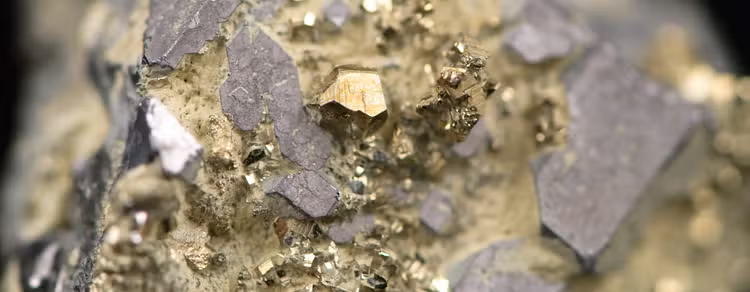
Related industries
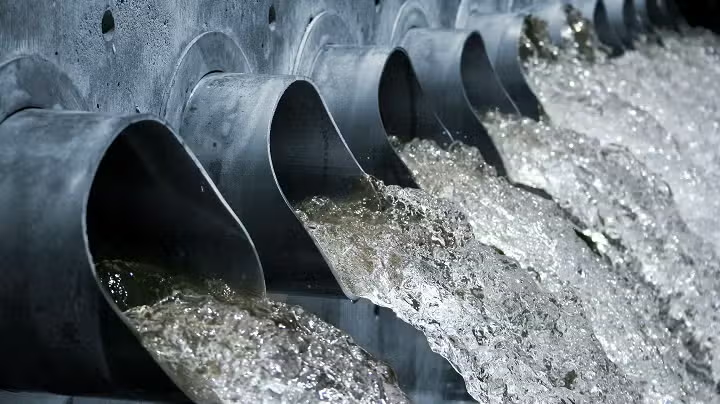
We develop best-in-class technologies, accompanied by an advanced product portfolio of solutions, to address your crucial wastewater challenges.
Learn more
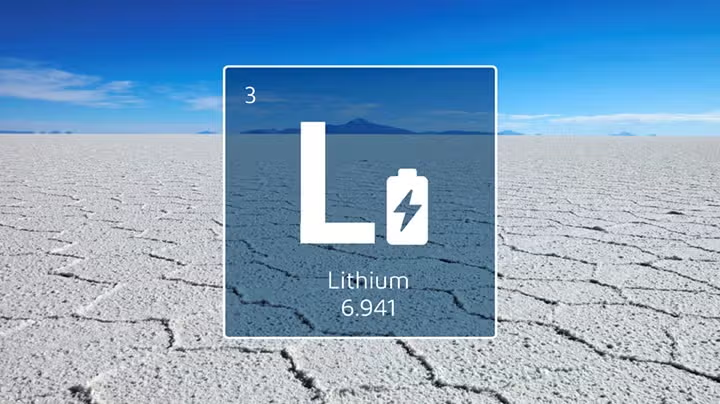
We offer a comprehensive DLE portfolio spanning pretreatment through polishing, integrating membranes, adsorbents, and ion exchange resins to optimize lithium yield and address complex brine challenges.
Related resources
View by: View all resources ✕ ✕ To access secured content from DuPont Please Sign In or Sign Up below Sign In New User ? Sign Up
See what’s possible
Ask us how we can increase productivity and reduce costs for the mining industry using our cutting-edge purification, separation, and recovery technologies.